



Dry gelatine-bromide plate workshop (American time)
120,00€
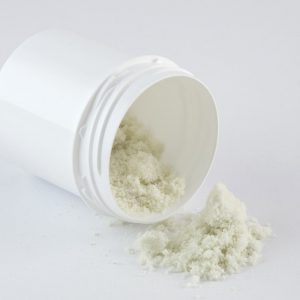
Gelatin-Bromide is a photographic process created in 1871 by Richard Leach Maddox and improved in 1873 by J. Johnson who introduced the washing of the emulsion and later by the work of Charles Harper Bennett who perfected heat maturation to increase sensitivity. By the late 1970s and early 1980s, dry gelatine plate had almost completely displaced wet collodion, thus solving most of the disadvantages of this process.
We'll deal with topics like:
- History of the process
- Preparation and characteristics of gelatino-bromide emulsions
- Washing
- Maturation
- Developing the negatives
- We will make some copies of the plates on baryta paper.
You have all the information on the workshop at: Online bale of gelatin-bromide workshop
- The schedule is:
- Mexico, Guatemala... from 8-12h and 13-17h
- Peru, Chile, Colombia... from 9-13h and from 14-18h
- Venezuela, Bolivia... from 10-14h and 15-19h
- Uruguay, Argentina (BA)... from 11-15h and from 16-20h
- If you need more information you can write to info@analoginside.com or call us at 678409142

Dry gelatine-bromide plate workshop (Spanish time)
120,00€
Gelatin-Bromide is a photographic process created in 1871 by Richard Leach Maddox and improved in 1873 by J. Johnson who introduced the washing of the emulsion and later by the work of Charles Harper Bennett who perfected heat maturation to increase sensitivity. By the late 1970s and early 1980s, dry gelatine plate had almost completely displaced wet collodion, thus solving most of the disadvantages of this process.
We'll deal with topics like:
- History of the process
- Preparation and characteristics of gelatino-bromide emulsions
- Washing
- Maturation
- Developing the negatives
- We will make some copies of the plates on baryta paper.
You have all the information on the workshop at: Online bale of gelatin-bromide workshop
- The schedule is Saturday from 10:00 - 14:00 h and 16:00 - 20:00 h.
- If you need more information you can write to info@analoginside.com or call us at 678409142
Digital negatives and Kallitipias workshop
300,00€
It is a 12h workshop and the schedule is Saturday from 10:00 - 14:00 h and from 16:00 - 20:00 h and Sunday from 10:00 - 14:00 h.
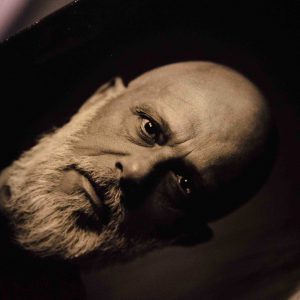
Kallitipia and Van Dyke brown, originally called "sepia copy", are two very similar processes that were discovered practically at the same time. Both are based on ferric and silver salts. The name "Van Dyke Brown" was given 40 to 50 years after its invention because of its similarity to the tones of Anton Van Dyke's paintings. In the workshop, we will focus more on the kallitipia process invented in 1889 by Scottish chemist and photographer W.W.J. Nicols for its greater tonal range and retention of detail in the shadows. To read the full description of the workshop you can go to: Taller Creación de Negativos Digitales y Kallitipias - If you need more information you can write us to info@analoginside.com or call us at 678409142
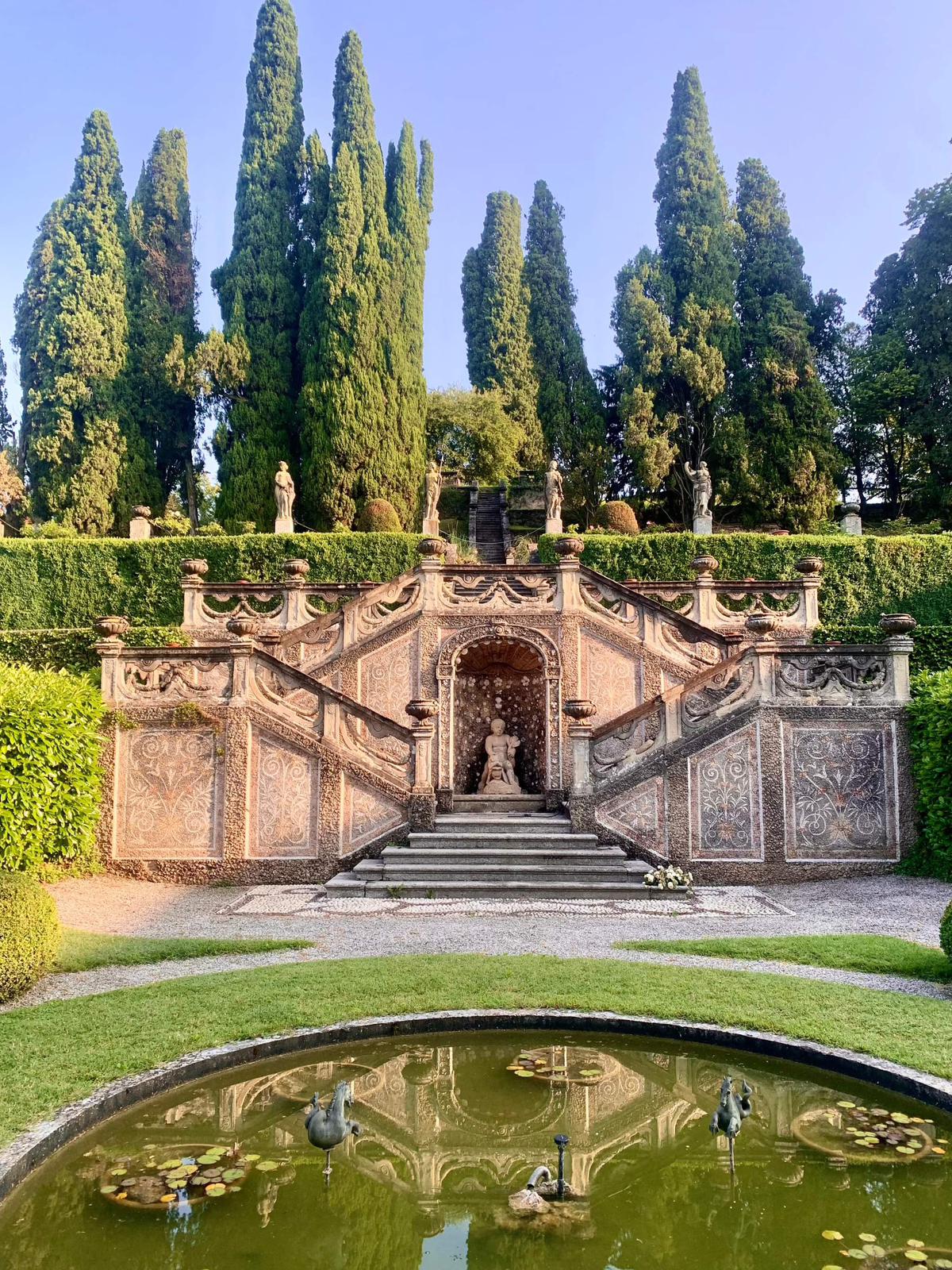
Wet plate collodion workshop (Villa Sommi) (May 25th-26th 2024)
500,00€
More info: https://analoginside.com/wet-plate-collodion-workshop-may-25th-26th/
alxwrk@yahoo.com / ilgranaio8@gmail.com / jparepir@gmail.com